.PNG)
.PNG)

Prequalification vs. Preapproval: What’s the Difference?
Prequalification gives you a general idea of what you might afford, based on your finances and credit score.
Preapproval is more detailed. Your lender reviews your financial situation and provides a letter confirming how much you can borrow, often locking in your interest rate for a limited time.

Mortgage Brokers: Your Financing Ally
A mortgage broker acts as a matchmaker between you and lenders, such as banks or credit unions. They handle the paperwork and shop around for the best deal. The best part? You don’t pay them—the lenders do!
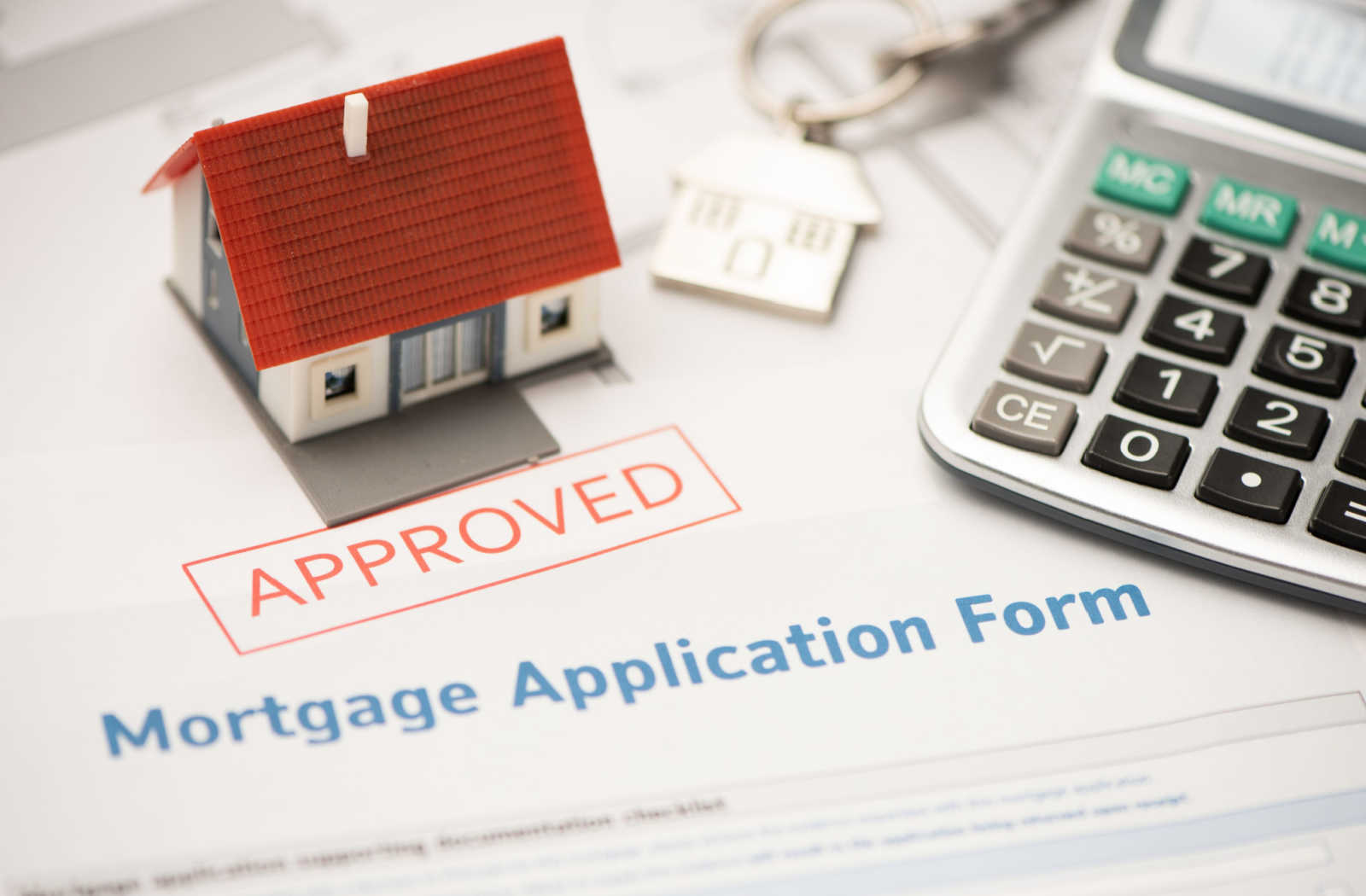
Understanding Your Mortgage: Amortization and Term
When it comes to mortgages, here are the basics:
Amortization is the total number of years you’ll take to pay off your mortgage. Most people choose 20–25 years, though first-time buyers may qualify for 30 years under certain conditions.
Term refers to how long your interest rate is locked in, usually for 5 years or less. Longer terms provide stability but often come with slightly higher interest rates.
You’ll also choose between:
Variable Rate: Payments stay consistent, but the interest rate fluctuates. You can often lock in the rate if it begins to rise.
Fixed Rate: Payments and interest stay the same for the entire term, giving you peace of mind.
And decide on:
Closed Mortgage: Offers lower rates but limits extra payments and comes with penalties for early payoff.
Open Mortgage: Higher rates but complete flexibility to pay off or refinance without penalties.
Home Inspection: Your Property’s Check-Up
Always include a home inspection as a condition in your offer. A professional inspector will thoroughly examine the property—from the roof and foundation to plumbing and electrical systems—and provide a detailed report. If major issues are found, you may have room to negotiate with the seller.
Conditional Offers: Covering Your Bases
Conditional offers include terms like securing financing, home inspections, or final walkthroughs. Your real estate agent will help you craft these conditions to protect your interests.

Deposit: Your First Move in Buying a Home
The deposit is your way of showing the seller you’re serious about buying their property. It’s part of the offer process and acts as a sign of good faith. You can pay it using a certified cheque, bank draft, or e-transfer (but remember, your bank may have daily limits for transfers).
When you make an offer—through an Agreement of Purchase and Sale prepared by your real estate salesperson—you’ll usually provide the deposit within 24 hours of the seller accepting your offer or on a date both parties agree on. There’s no strict rule for how much your deposit should be, but a larger deposit can make your offer more attractive to the seller. It shows you’re committed to moving forward with the purchase.
Homeowner’s Insurance: Protecting Your Investment
Before closing, arrange insurance for your new home. Insurers will ask about the roof’s age, furnace, plumbing, and more. Use your home inspection report to gather these details and shop around for the best rates.

Appraisal vs. Evaluation: What You Need to Know
Appraisal: Conducted by a licensed professional to provide a formal valuation required by your lender.
Evaluation: Done by your real estate agent using recent sales data. It’s less formal and not typically accepted by lenders but helps guide your offer price.
Appreciation vs. Depreciation: Your Investment Over Time
Appreciation: Your home’s value increases due to market conditions, upgrades, or maintenance.
Depreciation: Your home’s value decreases, often in a buyer’s market or if maintenance is neglected.
Land Transfer Tax: The Hidden Cost
When buying property, land transfer tax is unavoidable unless you are a first-time home buyer. The amount you pay is based on a percentage of the home’s purchase price and is due on closing day. Since this cost isn’t rolled into your mortgage, be sure to have extra cash on hand to cover it.
Down Payment: The Key to Closing
Your down payment is the lump sum you pay on closing day to finalize the deal. It’s separate from the deposit and your lawyer will require proof from your financial institution.
If your down payment is less than 20% of the home’s purchase price, you’ll need mortgage default insurance. This insurance is typically provided by the Canadian Mortgage and Housing Corporation (CMHC) or private companies like Sagen or Guaranty. The cost is added to your mortgage payments and protects the lender if you default.
If you’re putting down 20% or more, you can avoid this insurance, which saves you money. A greater down payment can increase your buying power somewhat.

Closing Costs: Budgeting for the Final Stretch
Closing costs cover legal fees, title insurance, property adjustments, land transfer tax, and more. These fees are paid on closing day and typically range from 1–4% of the home’s purchase price. Plan ahead to avoid surprises.
Your Real Estate Lawyer: Closing the Deal
Your lawyer ensures the property title is clear and checks for liens. They’ll also guide you through title insurance, which protects you from ownership disputes. Title insurance is a one-time fee included in your closing costs.

Final Steps and Beyond
On closing day, your lawyer will transfer funds and paperwork. Once everything is complete, you’ll receive your keys or lock code. Congratulations—you’re officially a homeowner!
Now the real adventure begins…..Welcome Home!
-transparent-1764689308427.png)